How to Reduce Noise from a Garage Door Repair in 2025
1. What Are Common Causes of Noise in Garage Doors?
Garage door noise typically originates from several worn or damaged garage door components. Key culprits include door springs, rollers, hinges, tracks, and metal parts that experience friction during operation. Over time, door stiffness or sagging can cause misalignment, resulting in grinding, squeaking, or banging sounds. Even the motor and pulley system may generate mechanical noise if not properly maintained. Addressing these underlying issues is the first step toward effective noise control and a quieter garage environment.
2. How Can I Use Lubrication to Reduce Garage Door Noise?
Lubrication plays a crucial role in reducing friction and the resulting noise in garage door hardware. Applying a high-quality silicone-based or lithium grease lubricant spray to moving parts such as rollers, hinges, door springs, and tracks minimizes squeaks and prolongs component life. It’s important to avoid WD-40 as it acts more like a cleaner than a lubricant and can attract dust, worsening noise over time. Regular lubrication maintenance is a simple yet highly effective method for noise prevention.
3. Should I Replace My Rollers to Fix Garage Door Noise?
Replacing old steel rollers with nylon rollers significantly reduces operational noise. Steel rollers often cause grinding or clanking sounds due to metal-on-metal contact, whereas nylon rollers provide smoother and quieter movement along the tracks. When replacing rollers, ensure proper door alignment to prevent uneven wear and avoid additional noise issues. This upgrade not only reduces sound but also improves the overall lifespan of the garage door system.
4. Can Adjusting Door Springs and Tension Help in Noise Reduction?
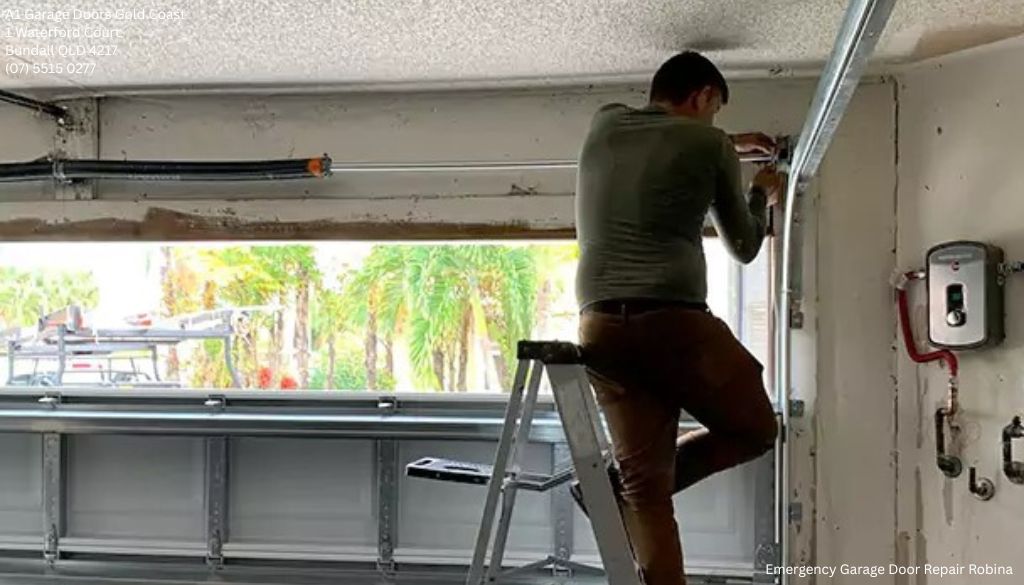
Door springs are essential for balancing your garage door, and proper tension adjustment can alleviate strain on the motor and hardware, thereby reducing noise. Over-tensioned or worn springs may produce loud creaking, snapping, or rattling noises. Since spring replacement involves high tension and potential safety risks, it is advisable to seek professional garage door service for adjustments or replacements. Correct spring tension ensures balanced door operation, minimizing noise and enhancing safety.
5. What Role Do Weatherstripping and Sealing Gaps Play in Noise Reduction?
Weatherstripping and sealing gaps around the garage door provide an effective barrier against external noise and vibrations. Installing rubber seals and weatherstripping around door panels eliminates rattling caused by wind or movement and helps improve noise insulation. Proper gap sealing also contributes to better energy efficiency by preventing drafts and heat loss, making your garage quieter and more comfortable.
6. How Does the Type of Garage Door Opener Affect Noise Levels?
The type of garage opener you have dramatically influences noise production. Chain drive openers tend to be louder because of the metal chains involved in door movement, which produce mechanical noise and vibration. Belt drive openers, on the other hand, use rubber or polyurethane belts that operate quietly and reduce vibration. Adding vibration dampeners or garage floor pads beneath the opener motor can further absorb noise transmission. For those seeking significant noise reduction, upgrading from a chain drive to a belt drive system is an excellent option.
7. Can Door Alignment and Track Maintenance Reduce Garage Door Noise?
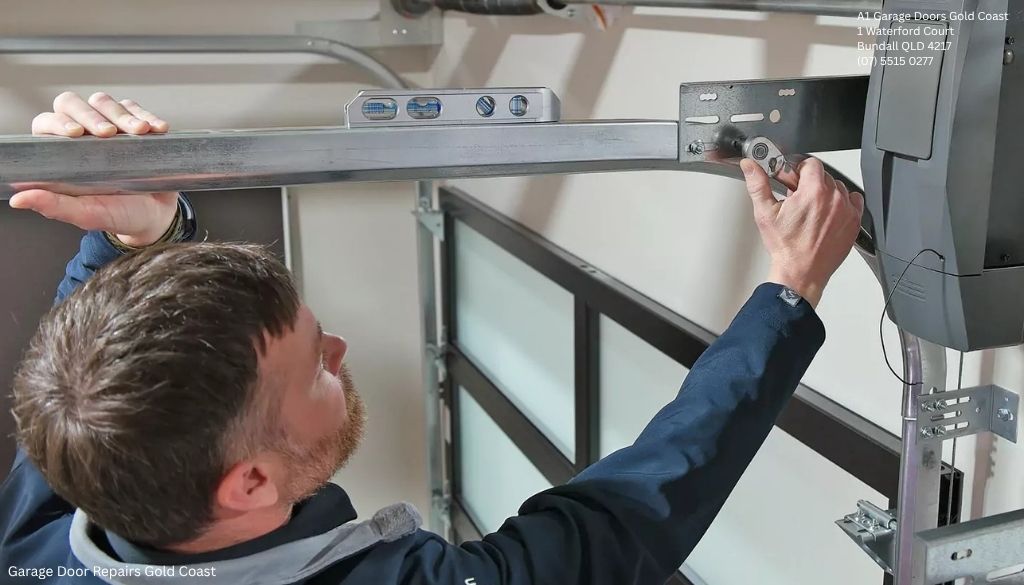
Misaligned garage door tracks cause scraping, wobbling, and excessive noise during door operation. Regularly inspecting and cleaning your garage door tracks prevents debris buildup that can lead to friction and mechanical noise. Additionally, placing impact pads or rubber dampers on metal components and tracks helps absorb vibrations and minimize sound. Maintaining proper door alignment and track condition is vital for smooth, quiet garage door function.
8. What Soundproofing or Insulation Options Are Available for Garage Doors?
Adding insulation to your garage door is an effective way to reduce sound transmission and enhance noise insulation. Installing foam or fiberglass insulation panels within door panels dampens operational noise and stabilises internal garage temperatures. Door dampers specifically designed to absorb vibrations can be installed to further reduce noise levels. Some homeowners also benefit from incorporating sound best garage door repairs near me barriers or wall insulation near the garage door area to create an even quieter environment.
9. When Should I Call a Professional for Garage Door Noise Issues?
If basic maintenance steps like lubrication, tightening hardware, or cleaning tracks don’t resolve persistent noise, or if you experience grinding, snapping, or loud squealing noises related to springs or the motor, it is time to call a professional. Garage door repair specialists possess the expertise to safely perform complex tasks such as spring replacement, tension adjustment, and motor servicing, ensuring safety and effective noise troubleshooting. Attempting these repairs without proper knowledge can pose serious risks.
10. Are There Preventive Measures to Avoid Garage Door Noise in the Future?
Prevention is key to maintaining a quiet garage door. Schedule routine maintenance every six months, including lubrication of rollers, hinges, and springs. Regularly inspect door balance, check roller condition, and clean tracks. Promptly address any signs of door sagging or stiffness. Using quality garage door hardware and performing timely repairs also help prevent noise complaints and prolong the life of your garage door system, ensuring peace and comfort in your home.
Additional Tips for Garage Door Noise Control
- Safely Adjusting Garage Door Springs: Due to the high tension in springs, only experienced individuals should attempt adjustments. Always follow safety precautions to prevent injury.
- Comparing Roller Types: Nylon rollers offer quieter operation and less wear, while steel rollers are more durable but noisier. Polyurethane rollers combine durability with noise reduction.
- Installing Garage Floor Pads and Impact Pads: These accessories absorb vibrations transmitted to floors and walls, effectively reducing structural noise.
- Innovations in Quiet Garage Door Openers: Modern systems incorporate advanced noise reduction technology, such as ultra-quiet belt drives and smart motor control.
- Environmental Benefits of Garage Door Insulation: Beyond noise reduction, insulation improves energy efficiency by maintaining consistent garage temperatures, reducing heating and cooling costs.
FAQ: Quick Answers to Common Garage Door Noise Questions
- Why is my garage door making loud squeaking noises?
Our Sponsor
Squeaking usually results from friction between metal parts like rollers, hinges, or springs due to insufficient lubrication or worn components.A1 Garage Doors Gold Coast
A1 Garage Doors Gold Coast is a Bundall-based garage door specialist serving the southern Gold Coast and surrounding suburbs with installation, repair, maintenance, and emergency garage door services. The company specializes in sectional doors, roller doors, garage door openers, spring and cable replacement, opener motor repair, smart-enabled installations, and 24/7 emergency call-outs across Robina, Burleigh Heads, Surfers Paradise, Nerang, Coomera, and the wider Gold Coast region.
Address:
1 Waterford Court, Bundall, QLD 4217, AustraliaPhone: (07) 5515 0277
Business Hours:
- Open 24/7 — Including After-Hours and Emergency Call-Outs
Follow Us:
- Can I use WD-40 to stop garage door noise? WD-40 is not recommended as it is primarily a cleaner, not a lubricant. It can attract dust and degrade lubrication quality. Use silicone-based lubricants instead.
- Are nylon rollers really quieter than steel rollers? Yes, nylon rollers reduce metal-on-metal contact and absorb sound, providing a quieter operation compared to steel rollers.
- How often should I lubricate my garage door? Ideally, lubricate all moving parts every six months or sooner if increased noise is noticed.
- Is it dangerous to adjust garage door springs myself? Yes, garage door springs are under high tension and can cause serious injury if mishandled. It is safest to hire a professional for spring adjustments or replacements.
- Will insulating my garage door reduce outside noise coming in?
Yes, insulation blocks noise and also improves energy efficiency by maintaining temperature consistency inside the garage. - What type of garage door opener is the quietest? Belt-drive openers are generally the quietest compared to chain-drive units, thanks to their rubber or polyurethane belt mechanisms.